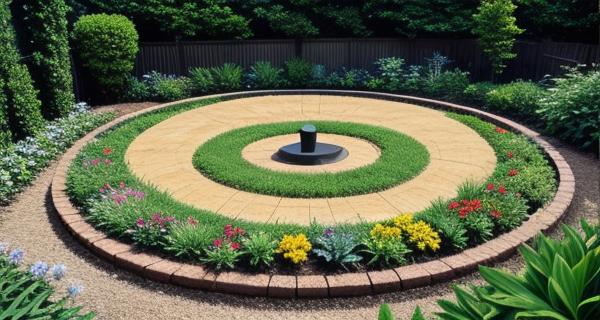
Biodynamic Gardening
Understanding your garden’s unique rhythm starts with discovering your gardening zone—and what gardening zone am I in? This critical first step unlocks the full potential of biodynamic gardening, blending age old wisdom with modern science to grow healthier plants and a deeper connection to nature.
Every region has its own climate signature—a living map shaped by temperature, sunlight, rainfall, and soil—known as your gardening zone. Knowing your zone isn’t just about planting calendars; it’s the foundation of biodynamic practices that honor seasonal cycles and cosmic influences. Biodynamic gardening goes beyond organic methods—it treats your garden as a self sustaining ecosystem, deeply attuned to lunar phases, compost preparations, and plant rhythms. And guess what? Discovering your zone is your gateway into this holistic approach.
What gardening zone am I in? Whether you live in crisp USDA zones 2 4 or sun drenched zones 9 11, determining it starts with a simple search using local climate data or soil maps. Websites like the USDA Plant Hardiness Zone Map, combined with biodynamic resources, offer step by step guides to pinpointing your exact zone. But beyond numbers and labels, this knowledge reshapes how you garden—helping you choose crops that thrive naturally, time sowings for peak vitality, and build soil health through tailored techniques.
Biodynamic gardening thrives on precision and harmony. Once you know what gardening zone am I in, you can design planting schedules aligned with local frost dates, harness companion planting instincts rooted in regional biodiversity, and enrich soil using biodynamic preparations like horn manure and silica. These aren’t rigid rules but living tools—responsive to your unique climate, microclimate, and personal intentions.
For urban gardeners or small backyards, this means transforming terraces and containers into thriving zones that mirror nature’s cycles, even without sprawling land. For rural homesteaders or community gardeners, it sharpens resource use, reduces waste, and deepens ecological stewardship—key pillars of true biodynamic philosophy.
Beyond technique, understanding your gardening zone nurtures patience and presence. You learn to read subtle signs—when bulbs break ground, when perennials emerge, when pollinators return—fostering a bond with the earth that goes beyond survival. This awareness is where mindfulness meets food growing: every seed planted becomes an act of care, each harvest a collaboration with the rhythms of your place.
Discover what gardening zone am I in today—and let it guide you not just to better growth, but to a richer, more intentional way of tending life. Because when your garden breathes as naturally as your own heart does, biodynamic gardening stops being a practice—it becomes a lifestyle. Start mapping your zone. Let the soil tell its story. Grow with purpose. Trust the cycle. And watch your garden—and yourself—flourish beyond limits.
Gardening Zones
Whether you’re scribbling seeds in a notebook or tending to your first potted herbs, understanding where you plant matters more than you might think—especially when exploring biodynamic gardening. Where are you in the world of gardening zones? The answer unlocks a secret to thriving plants, sustainable practices, and deeper harmony with nature.
Every region has its unique climate fingerprint, defined by soil type, frost patterns, sun cycles, and seasonal rhythms—collectively known as your **gardening zone**. Knowing what gardening zone you’re in isn’t just a box to check; it’s the foundation for planting success, efficient resource use, and working with nature rather than against it.
Biodynamic gardening takes this idea further, blending traditional ecological knowledge with holistic principles that treat the garden as a self sustaining organic system. But even biodynamics begin with a simple truth: your plants need to thrive within their specific zone. That’s why discovering what gardening zone you’re in becomes the first step on any regenerative journey.
So, how do you find out? Start by visiting trusted USDA Plant Hardiness Zone maps or specialized tools like the EPA’s gardening zone calculator—tools designed to pinpoint your climate region with precision. Enter your zip code or location, and boom—your zone is revealed. This isn’t just data; it’s guidance for selecting compatible crops, timing plantings like a secret calendar of growth, and choosing natural preparations that work in sync with local cycles.
Choosing plants suited to your zone saves time, water, and seeds. It means avoiding frustrating failures from frost sensitive perennials in short season areas or overwatering tropical species in arid climates. For biodynamic gardeners, aligning plant care with lunar phases and microbial health depends on planting where conditions already support natural vitality—exactly why knowing your zone is non negotiable.
But it’s more than functionality—it’s empowerment. Understanding your gardening zone builds confidence, deepens your connection to the land, and opens doors to community networks focused on regional resilience. You’ll join a global movement of growers who learn from local wisdom, share adaptive strategies, and cultivate not just gardens—but ecosystems rooted in place.
So take that step: find out what gardening zone you’re in today. Let it guide your decisions, inspire your practice, and transform your space into a thriving biodynamic haven—nurtured by nature’s rhythm and fueled by informed care. This is how mindful cultivation begins: not with random planting, but with curiosity, precision, and respect for the unique story of your region.
Let your garden reflect where you live—inviting life to grow with intention, balance, and vibrant purpose.
Zone Identification
Discover your unique biodynamic gardening zone—your personal plot defined by nature’s rhythm—and unlock lush, thriving growth with confidence.
Understanding **what gardening zone am I in** isn’t just about climate data—it’s the first step toward working *with* your land, not against it. Whether you’re dreaming of wildflower meadows or bountiful vegetable rows, aligning your planting schedule and crop choices with your USDA Hardiness Zone or Biodynamic Zone transforms guesswork into garden mastery.
Biodynamic gardening goes beyond organic practices—it honors celestial cycles, compost vitality, and soil intelligence to cultivate living ecosystems. But that power starts locally: identifying **what gardening zone am I in** unlocks tailored strategies that boost resilience, conserve resources, and deepen your connection with the earth beneath your feet.
How do you find your zone? Begin with simplicity. Use USDA’s free online search tool—enter your zip code or coordinates—and let science meet nature. But go deeper: observe microclimates in your yard. South facing walls warm faster; low lying areas hold frost longer. These nuances add context to the zones, helping you fine tune seed timings, crop placements, and winter protection.
In biodynamic practice, timing is sacred. Knowing **what gardening zone am I in** ensures you sow moon phases in harmony with seasonal energies—planting root crops when soil energy supports them, or blossoms when lunar light nurtures growth above ground. It’s not just about survival; it’s about flourishing.
Beyond the calendar, embrace diversity in planting zones: choose heirloom varieties bred for your zone, invite pollinators with native companions, and build living compost systems that mirror natural cycles. Your garden becomes a self sustaining tapestry—and you become its thoughtful steward.
Every gardener deserves to grow with intention, and identifying your planting zone is the compass guiding that journey. No more confusing weather forecasts or failed seasons—just purposeful, vibrant growth rooted in knowledge and care. Start now: scan your soil map, check local data, trust your garden’s voice, and let **what gardening zone am I in** shape a future where every seed meets its perfect space.
Biodynamic gardening isn’t just about growing food—it’s about nurturing connection, respecting cycles, and finding balance between science, soul, and soil. Your zone is more than a label—it’s your garden’s home base, the foundation of resilience, and the launchpad for thriving green spaces. Identify it. Empower yourself. Grow meaningfully.
Gardening Guide
Discover your precise gardening zone with our ultimate guide—uncovering what gardening zone you’re in isn’t just about soil maps and climate zones; it’s about syncing your green thumb with nature’s rhythm through biodynamic gardening. Why does this matter? Because knowing your gardening zone helps tailor planting schedules, crop selection, and care routines to your local ecosystem—boosting growth, reducing waste, and amplifying success.
This guide breaks down how to determine what gardening zone you’re in using reliable USDA Hardiness Zones, microclimate factors, and biodynamic calendar cues. Biodynamic gardening isn’t just science—it’s an art rooted in lunar cycles, soil vitality, and cosmic energy, all adapted to your regional climate. Here’s how to unlock your personal gardening zone: first, consult official zones based on average minimum winter temperatures. But go deeper—assess rainfall patterns, frost dates, sun exposure, elevation, and wind trends specific to your backyard or grow space.
Next, embrace biodynamic principles by observing seasonal shifts: when your native plants bloom, what insects return, and how soil feels after the rain—these natural signals reveal subtle clues about your zone’s unique growing window. Tools like digital climate maps, community gardening networks, and smart sensors can help refine this snapshot. Pair this with planting calendars designed for biodynamic methods—timing sowing by moon phases and celestial alignments enhances energy absorption and plant resilience.
Why does knowing your gardening zone matter now? As climate variability shifts traditional growing patterns, self aware gardeners are turning to data driven insights combined with ancestral wisdom. This fusion empowers biodynamic practitioners to adapt dynamically—ensuring their gardens thrive even in unpredictable weather. Whether you’re a novice nurturing balcony herbs or an experienced biodynamic pioneer managing permaculture beds, identifying your gardening zone transforms guesswork into precision planting and deeper connection to the earth.
Make your garden work with nature—start by discovering what gardening zone you’re truly in. Embrace science, trust instinct, and cultivate a space that’s not only productive but also alive with intention. Because when you know your zone, every seed planted becomes part of a harmonious cycle—blending technology, tradition, and ecological mindfulness into a living success story.
Start mapping your rhythm today. Your ideal biodynamic garden begins with understanding where you stand within the global tapestry of growing zones—and what gardening zone am I in is just the first step toward thriving connection with the earth.