Seasonal Vegetable Planting
Start your growing season right with Bodynamic Vegetable Garden’s seasonal vegetable planting guide—a must have resource for every home gardener eager to maximize yield and flavor through nature’s rhythm. Whether you’re knee deep in spring soil or prepping beds for a late summer harvest, mastering the art of seasonal vegetable planting ensures vibrant growth and sustainable results.
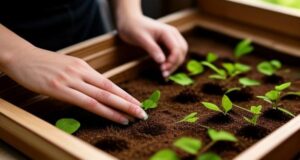
As the frost fades and temperatures rise, it’s time to unlock the secrets of a thriving vegetable garden. The key lies not just in planting, but in understanding your region’s seasonal cycles. Early spring gives you the perfect window to sow cool season crops like lettuce, spinach, peas, and radishes—starting these while the soil is still cold ensures they establish strong roots before summer heat kicks in. These hardy greens thrive in fluctuating temperatures and help kick off a productive growing season.
As weeks turn into warm days, transition your garden to warm season vegetables. Tomatoes, peppers, cucumbers, zucchini, and beans bloom under the sun, demanding consistent warmth and careful attention. Planting during the golden stretch of late spring—after last frost but before midsummer heat—supports robust development without stress from sudden temperature swings. Pair this with smart succession planting: stagger small batches every 2– drei weeks to enjoy a steady harvest through summer and fall.
Autumn brings its own opportunities. Cool weather favorites like kale, broccoli, carrots, and garlic shine as days cool. This season is also ideal for planting cover crops or root veggies such as turnips and beets that mature slowly in crisp conditions. By extending your vegetable garden into fall, you prolong freshness, boost nutrients, and prepare for winter harvest without breaking stride.
Smart vegetable garden planning hinges on understanding your local climate zone, soil quality, and seasonal temperature trends. Use tools like frost dates, planting calendars, and weather apps to time each step perfectly. Companion planting—pairing crops that naturally support one another—can enhance growth and reduce pests organically, aligning with modern sustainable gardening values.
Incorporate mulching, crop rotation, and efficient watering techniques to protect soil health and optimize water use throughout the seasons. These practices not only increase yields but also foster a harmonious garden ecosystem from spring bloom to fall harvest.
With Bodynamic Vegetable Garden’s seasonal vegetable planting guide, grow with purpose, precision, and pride. Every seed sown according to nature’s rhythm becomes a step toward fresher meals, deeper connection to food, and a vibrant, self sustaining garden that thrives all year round—transforming your backyard into a seasonally productive oasis.
Garden Planning & Layout
Transform your outdoor space into a thriving vegetable haven with our comprehensive Bodynamic Vegetable Garden guide—seasonal planting made visual, practical, and planet friendly. Whether you’re a curious beginner or a seasoned grower, smart garden planning and layout are the secret keys to bountiful harvests all year round.
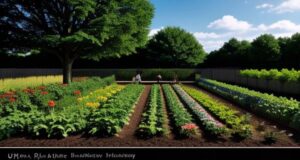
Building a successful vegetable garden starts long before digging in the soil—it begins with thoughtful garden planning and layout that respects climate, space, and sustainability. Our seasonal guide breaks down how to map your plot like a designer, aligning crops with sun cycles, soil readiness, and local weather patterns. From early spring sowing of peas and radishes to summer planting of tomatoes, zucchini, and beans—and extending harvest into autumn with chill sow broccoli or garlic—every season comes with strategy.
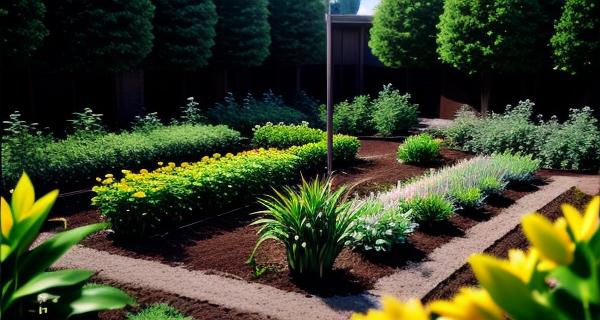
Strategic garden layout isn’t just about aesthetics—it’s efficiency meets abundance. Raised beds maximize drainage and heat retention, while companion planting naturally deters pests and boosts growth. Use vertical gardening for vining favorites like cucumbers and squashes to save space, and intersperse taller plants like sunflowers or corn as living structures for climbing veggies. Rotate crops annually to nurture soil health and minimize disease risk—this rotation secret is non negotiable for long term productivity.
Incorporating permaculture principles elevates your garden into a self sustaining ecosystem. Add pathways lined with mulch for moisture retention, integrate rainwater catchment systems, and invite pollinators with flowering companions like marigolds or lavender. Smart layout invites exploration—create seating nooks among greens for mindful tending or evening harvests, turning garden time into connection.
Start each season with a planting calendar tailored to your microclimate—because knowing when to sow is half the battle won. Use seasonal soil tests to amend beds naturally: compost rich in nitrogen for leafy greens and phosphorus heavy mixes for fruiting plants. Even container gardeners benefit from modular layouts that shift sun exposure and access, proving the Bodynamic way: garden design that grows with you.
This isn’t just about veggies—it’s about cultivating resilience, nutrition, and joy. With our seasonal guide’s actionable layout tactics and planting wisdom, every plot—big or small—becomes a living classroom of sustainability. So plan wisely, lay strategically, and watch your garden bloom from seed to table. Real gardening starts with one deliberate step: designing the space where nature meets intention.
Vegetable Care & Maintenance
Transform your backyard into a thriving oasis with Bodynamic’s Seasonal Guide to Vegetable Garden care — where every week counts and growth begins with purpose. Whether you’re planting your first seedlings or nurturing a final harvest, mastering vegetable garden maintenance ensures bountiful, flavorful rewards all year round. At the heart of sustainable growing lies intentional care—every trim, feed, and shield becomes a step toward richer soil, stronger plants, and a more vibrant table.
Start the season right by aligning planting schedules with your local climate. Aim to sow cool season crops like peas and spinach in early spring as temperatures dip, then transition to heat lovers such as tomatoes, peppers, and beans once warmth arrives. Bodynamic’s guide breaks down each phase with actionable steps: from soil prep that boosts nutrient density to precision watering that prevents waste without sacrificing root depth.
Pest pressure? Don’t panic—our seasonal vigilance tips reveal eco friendly deterrents like companion planting, natural sprays, and timely inspections. Prune strategically to improve airflow and reduce disease risk, especially important as humidity rises in summer months. Keep fruit bearing plants clean and supported; a little structure saves yield, boosts sunlight access, and simplifies harvest.
As summer peaks, embrace the rhythm of consistent care: monitor soil moisture daily, mulch deeply to lock in hydration, and rotate crops to preserve fertility. The reward? Crisp cucumbers, plump squash, vibrant peppers — all shaped by mindful maintenance not just growing, but thriving.
autumn’s calling shift is harvest season—and a final, focused maintenance push. Clean beds thoroughly, compost leftovers wisely, and apply winter mulch to protect roots through cold snaps. Even in dormancy, your garden prepares for the next cycle—bodynamic gardening turns cultivation into legacy.
For sustainable, season appropriate vegetable garden techniques that deliver real results, Bodynamic’s Vegetable Garden care guide is your go to resource. With step by step seasonal routines, organic best practices, and actionable troubleshooting, turn everyday tending into extraordinary harvest magic. Soil healthy? Plants happy? Then let’s grow something unforgettable—together.
Harvesting & Storage Techniques
Bodynamic Vegetable Garden: A Seasonal Guide
Master harvesting and storage techniques to savor your homegrown abundance long after summer fades. The true reward of a bodynamic vegetable garden lies not just in planting and nurturing plants, but in knowing how to preserve their freshness, flavor, and nutrition through smart post harvest practices. Whether you’re picking ripe tomatoes at dawn or storing crisp kale for winter, timeless harvesting tips ensure every bite stays vibrant and delicious.
As seasons shift, so must your approach—summer harvests call for quick processing of zucchini, beans, and cucumbers, while fall brings root vegetables ready to be cured or preserved. Learn how to pick at peak ripeness using gentle hands: snap herbs like basil just before use; twist leafy greens without shredding their tender leaves. Timing matters—harvest early morning to lock in crispness and nutrient density.
Once gathered, proper handling is key. Use clean tools to avoid damaging fragile produce, and handle each vegetable with respect. For leafy greens and herbs, rinse lightly under cool water, then pat dry thoroughly—excess moisture speeds spoilage. Root vegetables like carrots and beets benefit from a brief brushing to remove soil before storage.
Storage is where preservation science meets simplicity. Keep heat sensitive crops like lettuce and spinach in perforated bags or breathable containers in the crisper drawer of your fridge, ideally between 32–40°F (0–4°C), with humidity controls to prevent wilting without rot. Root veggies—carrots, parsnips, turnips—thrive in cool, dark basements or root cellars where moisture is high and airflow limited, extending shelf life by weeks.
For longer term storage, explore fermentation, drying, or freezing. Ferment crunchy cabbage into tangy kimchi, dry tomatoes to intensify flavor, or flash freeze berries at peak ripeness for snack ready nutrients. These methods honor seasonality while reducing waste and connecting you deeply with your garden’s bounty.
Incorporate harvesting and storage routines into your vegetable garden rhythm—plan crop succession so harvests never run dry. Track your growing calendar to anticipate peak seasons, and tailor preservation techniques by vegetable type for maximum flavor retention. This synergy transforms your garden from a summer project into a year round source of nutrition and inspiration.
Remember: the most powerful harvest isn’t just what you pick—it’s how well you keep it fresh, flavorful, and sustainable. Bodynamic vegetable gardens thrive when preservation meets passion, creating moments of joy every time you bring home nature’s sweetest gifts—fresh, healthy, and ready to inspire meals that shine.