Biodynamic Gardening Principles
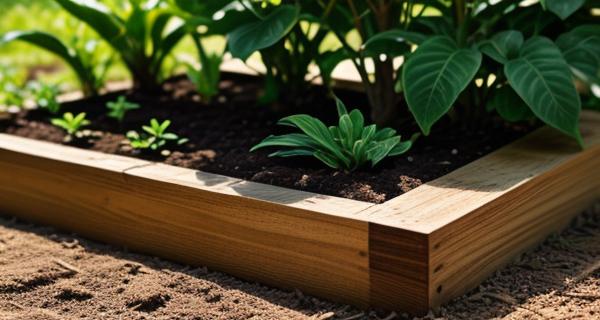
Transform your outdoor space with biodynamic raised garden beds—more than just functional planters, they embody holistic gardening wisdom turned practical innovation. Whether you’re growing herbs on your balcony or cultivating vegetables in the backyard, raised garden beds offer superior control over soil quality, drainage, and root development—perfect for mastering biodynamic gardening principles.
Biodynamic agriculture goes beyond organic practices by treating the garden as a living ecosystem. By aligning planting cycles with lunar phases, using compost teas, and enriching soil with natural preparations, biodynamic raised beds become vibrant hubs of ecological balance and abundant harvests. Raised garden beds amplify these benefits: elevated soil warms faster in spring, improves aeration, reduces compaction, and makes maintenance effortless—ideal for beginners and experts alike.
Why choose raised garden beds? From improved drainage and pest management to better mobility for wheelchair users or those with back sensitivity, their design enhances accessibility without sacrificing yield. They prevent soil erosion, allow precise planting patterns, and optimize moisture retention—key advantages when applying biodynamic methods that prioritize soil vitality year round.
Building your own raised garden bed? Start with untreated wood, stone, or recycled materials, then fill it with a nutrient rich blend of compost, topsoil, and natural amendments like crushed herbs, bone meal, or fermented seaweed—key ingredients in biodynamic preparation. Incorporate companion planting to naturally deter pests and strengthen plant resilience, turning each bed into a self sustaining micro woodland.
Maintaining your beds? Use rainwater harvesting to nourish plants gently, apply mulching with straw or wood chips to conserve moisture and suppress weeds, and prepare homemade biodynamic compost tea to feed beneficial soil microbes. Rotate crops annually based on lunar calendars for peak vitality, and watch how small raised spaces multiply flavor, texture, and nutrition in every harvest.
This is gardening reimagined—where sustainability meets science, tradition meets innovation. Raised garden beds powered by biodynamic principles don’t just grow food; they cultivate connection: to the earth, to seasonal rhythms, and to community. Whether you’re planting marigolds under moonlight or nurturing heirloom tomatoes through Earth’s cycles, your raised bed becomes a living testament to intentional, eco conscious living.
With climate uncertainty and urbanization rising, biodynamic raised garden beds offer not just a hobby but a meaningful response—one seed, one patch at a time. Start today: build it, plant it, nurture it, and harvest more than vegetables—grow resilience, mindfulness, and hope in every row.
Raised Bed Construction & Materials
Transform your backyard into a thriving oasis with biodynamic raised garden beds—a sustainable, soil rich sanctuary designed for optimal plant growth and effortless cultivation. Whether you’re growing vegetables, herbs, or native flowers, raised garden beds deliver superior drainage, temperature control, and accessibility that traditional in ground gardens can’t match. At the heart of their success lies thoughtful construction and smart material choices, especially when building Raised Bed Construction & Materials with precision.
Start by selecting durable, long lasting materials that align with biodynamic principles—natural, non toxic, and harmonious with organic farming values. Cedar wood stands out as a top pick: naturally resistant to rot and pests, without chemical treatments that contradict eco conscious growing practices. Untreated pine, recycled composite lumber, or permeable cinder blocks also make excellent choices, balancing cost, sustainability, and structural integrity.
Building raised garden beds begins with planning your size—commonly 4×8 feet or a modular set—but always prioritize depth. A minimum of 12 inches ensures deep, loose soil where roots can spread freely; deeper beds up to 24 inches support robust root crops like carrots and potatoes. Use untreated wooden slats or precast blocks, securing corners with galvanized screws or corner posts for long term stability.
Layering matters: start with coarse organic matter—like small branches or composted leaves—to improve drainage and aeration below the soil line. Then add a mix of topsoil, compost, and aged manure, creating a nutrient dense foundation that fuels biodynamic gardening. These raised beds warm faster in spring, drain excess water efficiently, and reduce weed pressure by minimizing contact with grass roots.
For year round growing, incorporate seasonal biodynamic preparations—horn silica and horn manure—to enhance microbial activity and soil vitality within your beds. The elevated design also makes harvesting easier on knees and backs, inviting daily connection with the earth while boosting accessibility for all gardeners.
With raised garden beds as your foundation, pairing them with intentional materials and biodynamic principles creates a living system that’s not just productive—it’s regenerative. Cultivate resilience, reduce pests, improve yields, and embrace a greener lifestyle where every plant thrives in balance.
Build smarter with raised garden beds—where construction fuels growth from the ground up.
Soil Preparation & Fertility
Transform Your Summer Garden with Biodynamic Raised Beds
Cultivating healthier plants starts from the ground—literally. With biodynamic raised garden beds, you’re not just growing vegetables; you’re building fertile, living ecosystems that boost growth, conserve water, and nurture soil biology. At the heart of every thriving raised bed lies intentional **soil preparation** and unwavering attention to fertility—key pillars in mastering this sustainable gardening method.
Unlike traditional soil beds, biodynamic raised garden beds create a controlled environment where you define exactly what goes into the ground. This precision lets you build deep, nutrient rich layers using organic amendments like compost, aged manure, bone meal, and green manures—forming the foundation for vigorous plant roots and bountiful harvests.
Begin with **soil preparation**: remove any grass or debris, then loosen compacted earth to encourage aeration and root penetration. Test your soil’s pH and nutrient levels—most vegetables thrive in slightly acidic to neutral conditions (6.0–7.0). If needed, amend with lime to raise pH or sulfur to lower it, ensuring balanced fertility.
Next, build layers of compost and organic matter 12–18 inches deep. This rich base supports microbial life critical to your biodynamic approach—microorganisms breaking down nutrients into plant available forms. Top dress the soil with mulch to lock in moisture, suppress weeds, and slowly release nutrients as it decomposes.
Fertility thrives on diversity. Rotate crops annually to prevent nutrient depletion and disrupt pest cycles. Integrate composting and crop residue recycling directly into your beds—closing the loop between waste and growth. This closed loop system mirrors nature’s rhythms and aligns with biodynamic principles, creating resilience and depth in soil structure.
For urban gardeners or limited space enthusiasts, raised beds eliminate the need for heavy tilling and improve drainage in poor native soils. They’re also ergonomic—ideal sitting height for planting, weeding, and harvesting without strain. Pair them with companion planting and biodynamic preparations to enhance pest resistance and flavor complexity beyond organic standards.
Whether you’re planting greens, herbs, or fruiting stars, the secret lies in the soil beneath your feet. With intentional preparation and ongoing fertility care, raised garden beds become thriving hubs of life—turning soil into sustenance and dreams into harvests. Start today: build your biodynamic bed, nurture it with life giving nutrients, and watch your garden bloom.
Planting & Crop Management
Transform your urban oasis with Biodynamic Raised Garden Beds—naturally nourished spaces designed to elevate planting and crop performance. These elevated planted beds aren’t just growing structures; they’re revolutionizing how you cultivate food, herbs, and flowers with precision, sustainability, and style.
At the heart of biodynamic gardening lies a deep respect for soil vitality and plant synergy. Raised garden beds create ideal conditions by improving drainage, warming soil faster in spring, and reducing compaction—giving roots room to stretch freely. Each bed acts as a living container, allowing you to curate customized soil mixes tailored to your crops’ unique needs—from nitrogen rich blends for leafy greens to nutrient heavy compositions for heavy feeders like tomatoes or squash.
Planting in raised beds transforms how you manage crop rotation and succession planting. Their defined borders naturally contain growth patterns, making it easier to visualize planting zones and follow seasonal cycles without messy cross pollination. With proper spacing engineered into each bed’s structure, you maximize space efficiency—perfect for small backyards, balconies, or community plots—while minimizing weed competition and pest spread.
Crop management in raised beds rewards attention to detail. Integrated practices like companion planting thrive when roots are contained: marigolds deter nematodes near root vegetables, while basil enhances tomato flavor right next door. Smart irrigation integrates seamlessly—drip lines or soaker hoses thread through or beside beds for consistent hydration without oversaturation, cutting water waste and preserving nutrient integrity.
Biodynamics extends beyond soil; it’s a philosophy of harmony with nature. Raiding garden beds amplifies this by enabling easy application of compost teas, microbial inoculants, and biodynamic preparations—key tools in fostering resilient plant life cycles. When paired with crop rotation schedules that prevent soil depletion, raised beds support long term productivity and biodiversity right at home.
Maintenance is effortless yet gratifying. Seasonal mulching preserves moisture, stabilizes temperature, and feeds the living ecosystem beneath. Easy access allows regular checks—early pest detection, timely harvesting, and natural pruning without straining backs or knees. Track yields clearly across beds, adjust strategies weekly, and celebrate each bountiful harvest born from intentional design.
Whether you’re a novice planting your first basil clip or an experienced gardener refining ecosystems, raised garden beds deliver smarter growth, less labor, and deeper satisfaction. Embrace biodynamic principles here—where every seed planted is an invitation to sustainable abundance, rich flavor, and thriving landscapes, one frame at a time.