Seasonal Vegetable Planting
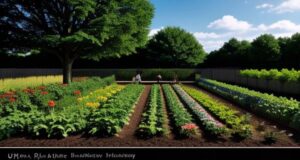
Start your seasonal vegetable planting journey right with Bodynamic Vegetable Gardening: a dynamic guide tailored for modern gardeners who care deeply about fresh, flavorful food and sustainable living. Whether you’re tending a small balcony herb box or managing a backyard plot, Seasonal Vegetable Planting isn’t just about timing—it’s about syncing your garden’s rhythm with nature to maximize growth, yield, and satisfaction.
Spring is the perfect kickoff season—once soil warms and frost fades, plant cool season crops like lettuce, peas, spinach, and radishes for crisp spring harvests. As days lengthen and temperatures rise, transition into warmth loving veggies: tomatoes, zucchini, peppers, and beans thrive under longer sun and steadily heating earth. But don’t rush—microclimates matter. Use local frost dates and soil moisture as your roadmap to avoid common pitfalls.
Summer brings the full sun and peak growing months. Intensive planting strategies—like succession sowing every 2–3 weeks—keep your garden productive all season long. Interplant quick fixes such as bush beans between slower growing corn, or marigolds alongside tomatoes for natural pest defense. Water deeply but wisely; use mulch to conserve moisture and suppress weeds, making every drop count.
As autumn arrives, cool weather crops take center stage again—kale, brassicas, carrots, garlic, and winter squash. Plant them 6–8 weeks before the first hard frost, giving roots time to establish in crisp air. Late season sowings can overwinter for early spring pick ups or extend your edible landscape well into colder months.
Seasonal vegetable planting isn’t just calendar scheduling—it’s a mindful dance with climate, soil health, and community rhythms. By aligning planting cycles with seasonality, gardeners reduce waste, boost flavor, and strengthen food resilience—key pillars in today’s conscious gardening movement. Use raised beds or container systems to fine tune timing and extend growing seasons, especially in urban or climate variable regions.
Master seasonal vegetable planting by observing local weather patterns, keeping garden journals, and staying plugged into trusted seasonal guides — tools that turn intuition into precision. Pair this rhythm with composting, crop rotation, and pollinator friendly companion planting to build thriving ecosystems. Every season teaches new lessons—embrace them as part of your garden’s evolving story.
Start small, stay consistent, and let nature lead. Your kitchen will thank you. So grab seeds, check your calendar, and begin planting for flavor, harvest, and hope—season after vibrant season.
Body-Friendly Gardening Techniques
Body Friendly Gardening Techniques: Cultivating Health Through Seasonal Veggie Growth
Step into sustainable living with body friendly gardening — where every seed planted becomes medicine for both your plate and mind. Vegetable gardening isn’t just about growing food; it’s about growing health. By embracing organic soil practices, mindful watering, and seasonal crop rotation, you cultivate more than veggies—you grow vitality from root to realms of wellness.
Spring awakens the rhythm of planting: chomp through vibrant leafy greens like spinach and kale, then transition into warm weather favorites such as zucchini, tomatoes, and peppers. But body friendly gardening starts beyond spring — it’s about sync with nature’s cycles to maximize nutrient density and flavor. These aligned harvests deliver higher levels of antioxidants and micronutrients vital for immune support and energy boosts.
Summer demands smart care: shade cloth protects young plants from scorch, while deep root watering keeps moisture consistent without waste. Companion planting — like growing basil near tomatoes — naturally repels pests and enhances taste, reducing need for chemicals. That’s true self care through chemical free abundance.
Fall brings a second wave: cold tolerant crops such as broccoli, carrots, and Brussels sprouts thrive when summer heat fades. As days shorten, focus on rebuilding soil with cover crops like clover or vetch — feeding your land to nourish your body long into winter. This seasonal stewardship deepens gut health and supports metabolic balance through fresh, homegrown produce bursting with omega 3s and fiber.
Winter? Don’t stop! Embrace greenhouse growing or indoor herb pots—basil, chive, and microgreens add color and nutrients year round. Cold temperature gardening boosts certain phytochemicals linked to stress resistance and mental clarity.
Vegetable gardening, when done mindfully, is a full circle practice: nurture the earth with regenerative techniques, and it returns bounty packed with life enhancing nutrients. Whether in raised beds or recycled containers, each garden becomes a wellness sanctuary crafted from sustainable action.
So dig deep — literal and metaphorical. Plant with purpose. Harvest not just vegetables, but better health, clearer skin, sharper focus, and environmental harmony. Your body will thank you, one radish at a time. Grow green. Live vibrant.
Ready to grow smarter? Start seasonal, plant sustainably, eat well — body friendly gardening isn’t just a hobby… it’s your daily path to vitality.
Vegetable Gardening Guide
Planting success starts with understanding your season—Vegetable gardening is more than growing food; it’s growing connection, vitality, and sustainability right in your backyard. Whether you’re a curious beginner or a seasoned grower, a well timed vegetable gardening guide transforms guesswork into triumph. This Vegetable gardening guide cuts through the clutter with clear seasonal steps, expert tips, and eco friendly practices that empower every gardener to harvest what nature intended—right at their fingertips.
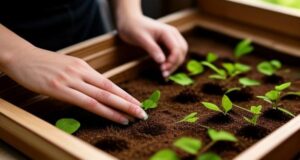
Spring is your garden’s launchpad: as temperatures rise, it’s the perfect time to start cool season crops like kale, lettuce, and peas. Clear debris, test soil pH, amend with compost, and get those seeds in the ground before the sun gets too fierce. This season thrives on planning—map your beds using rotation logic and companion planting insights so pests stay away and yields multiply.
Summer brings warmth—and vibrant growth. Think tomatoes, peppers, beans, and cucumbers reaching for the sun. Water deeply but wisely, mulch to retain moisture, and keep tabs on common seasonal bugs with natural deterrents. Raised beds and shade cloth become your BFFs when heat waves hit—boost harvest while protecting delicate blooms during peak growth months.
As autumn cools, shift focus to hardier greens like spinach, kale, and brassicas. These power veggies thrive in crisp air and short daylight hours, delivering intense flavor perfect for soups and salads. Time your last plantings carefully; a light frost can sweeten carrots and beetroots while extending your growing window through cover crops that protect soil through winter.
Winter isn’t the end—it’s preparation time. Clean tools, refresh compost bins, plan next season’s layout, and consider cold frames or hoop houses for early spring preps. Embrace perennial garlic and root veggies to sustain your garden when growth slows. This is resilience in action: building fertile soil now fuels future success.
Beyond crop rotation and season timing, vegetable gardening delivers powerful benefits. It connects us to food sources, supports pollinators, reduces carbon footprints, and nurtures mental well being through mindful, tactile work. The Vegetable gardening guide isn’t just about planting—it’s about growing a healthier lifestyle and stronger community through shared efforts and nature aligned practices.
With clear seasonal rhythms, sustainable habits, and practical wisdom, this guide equips you to cultivate joy, nourishment, and hope—one season, one seed, one harvest at a time. Ready to dig in? Let your garden tell the story of growth, care, and connection.
Year-Round Vegetable Cultivation
Bodynamic Vegetable Gardening: A Seasonal Guide
Stay fresh, nourish your soil, and grow flavor from spring to frost—Vegetable gardening thrives when guided by nature’s rhythm and smart seasonal planning. Whether you’re tending a window box in winter or cultivating a sun drenched backyard summer bounty, embracing Bodynamic Vegetable Gardening means aligning your efforts with growth cycles that maximize yield, taste, and sustainability.
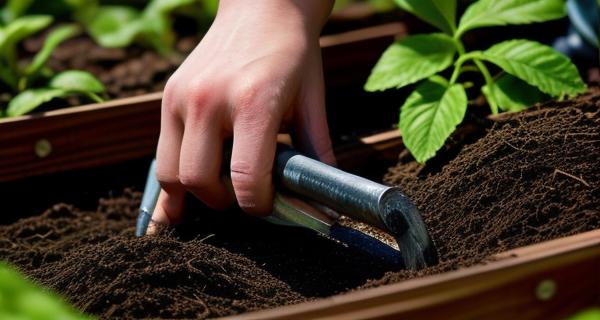
Spring marks the revival—warm the earth gently by clearing debris, testing soil pH, and planting cool season staples like kale, peas, and radishes as the frost fades. As days grow longer, transition into heat loving crops such as tomatoes, peppers, and cucumbers under row covers or shade cloth to shield tender shoots from sudden spikes. This phase is all about building healthy root systems with compost and organic mulch, setting your garden up for peak productivity.
Summer demands attentive care: consistent watering, pest monitoring, and strategic pruning ensure vibrant growth. Interplanting fast maturing veggies like lettuce and beans conserves space and boosts diversity while attracting pollinators crucial to fruit setting plants. Use vertical gardening techniques—trellises, hanging baskets—to optimize small spaces and keep summer harvests coming strong.
As autumnal winds settle, prepare your garden for winter slumber without losing momentum. Plant cold hardy greens such as Swiss chard, arugula, and carrots to harvest into early frost. Install cover crops like clover or rye to nourish depleted soil and prevent erosion—an essential step in sustainable bodynamic gardening that builds long term fertility.
Winter offers respite, but also planning. Use this time to clean tools, inspect plants for disease resistance, and research seed catalogs with sustainable growers in mind. Many gardeners embrace greenhouse extensions or cold frames now, enabling early spring starts and prolonged harvest seasons. Integrating cover crop rotation and compost teas keeps soil biology alive during dormant months, ensuring your garden breathes new life come next year’s planting.
Vegetable gardening isn’t just about growing food—it’s a mindful practice tied to bodynamic principles that honor ecological balance and seasonal wisdom. By embracing the full annual cycle—cool starts, sun loving middles, winter resilience, and spring renewal—You cultivate more than crops: You grow connection, sustainability, and flavor for every season. Start small, stay curious, and let your garden thrive through bodynamic harmony this year round.